
I’ve broken a twist shifter mid-ride on a rocky climb, watched a buddy’s cable housing pack full of mud until his rear derailleur just gave up, and spent a full season running SRAM’s wireless AXS to see if the hype held up. Short answer: it depends what you ride and what you’re willing to spend.
Your shifter is the interface between your legs and your gears, and it matters more than most riders think about until one fails on them. This piece breaks down the three types you’ll actually encounter — trigger, twist, and electronic — and where each one earns its place, as part of our main guide to mountain bike components.
What a Shifter Is Actually Doing
A shifter doesn’t move your chain directly. It pulls or releases cable tension (or, on electronic systems, sends a signal) that tells your derailleur to nudge the chain onto a different cog. Lower gears give you more power for less speed — what you want grinding up a loose, technical climb. Higher gears trade power for speed once the trail flattens out or points downhill.
Most modern trail and enduro bikes have ditched the front derailleur entirely in favor of a 1x setup, which means one shifter on the right side doing all the work across a wide-range cassette. If you want the fuller picture of how that cassette range interacts with your gearing choices, how cassette range affects your gearing covers it well. As REI’s breakdown of bike gearing lays out, shifters do this job either through cables or, on electronic systems, through circuitry — worth knowing before you start comparing types, because that mechanical difference is the whole story here.
Trigger Shifters: What Most of Us Actually Ride
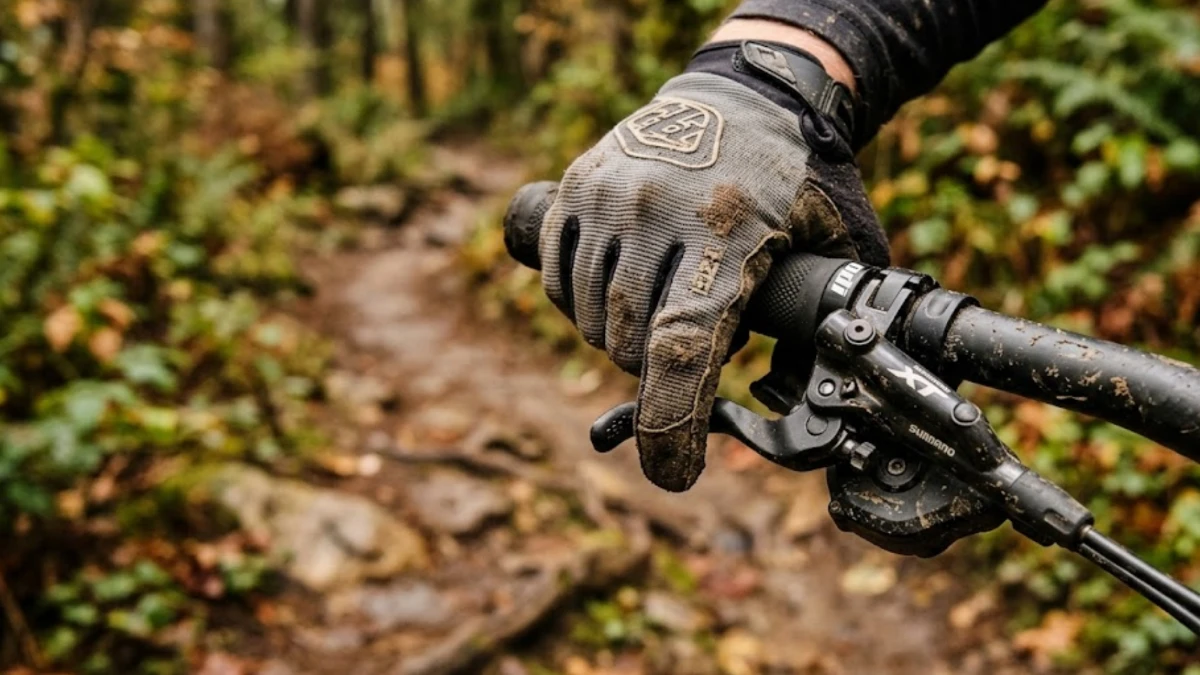
Trigger shifters — sometimes called rapid-fire shifters — are what you’ll find on the vast majority of mountain bikes sold today, from entry-level hardtails to World Cup DH rigs. Two levers sit near your grip: one you push with your thumb to drop into an easier gear, one you pull with your index finger to shift up. On most 1x setups, that’s your only shifter, mounted on the right.
I’ve run triggers on every hardtail I’ve owned, and the appeal is simple. Each click is a discrete, predictable shift. You know exactly what gear you’re landing in without looking down, which matters when you’re picking a line through rock gardens and don’t have the attention to spare. They’re also cheap to replace and easy to find parts for — I’ve fixed a cracked shifter body trailside with a zip tie and finished the ride.
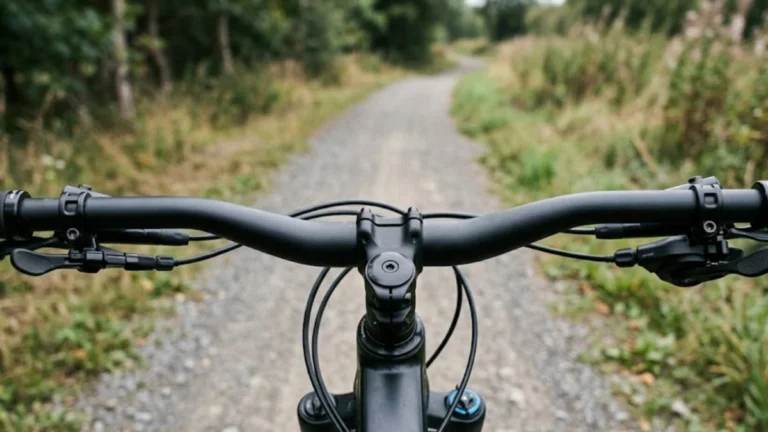
The trade-off is bar real estate. Depending on the brand, triggers can crowd your cockpit alongside a dropper post lever and brake lever, so think through your cockpit layout before you commit to a shifter placement.
Twist Shifters: Old-School, Still Around
Twist shifters — grip shift — put the shifting mechanism inside a rotating section of the grip itself. Twist forward, drop a gear; twist back, shift up. You’ll mostly see these on entry-level bikes and some commuter builds now, but they were standard equipment for a long stretch of MTB history.
The upside is speed across a range — one twist can sweep through several gears at once, which is handy if you crest a climb into a fast descent and need to dump gears fast. The downside, and the reason most serious trail riders moved away from them, is accidental shifts. When you’re gripping hard through a rough section, it’s easy to twist the shifter without meaning to. On technical terrain where a firm, stable grip actually matters, that’s a real liability, not just an annoyance.
Electronic Shifters: Wireless and Precise
Electronic shifting — SRAM’s Eagle AXS and Shimano’s Di2 platforms being the two you’ll actually see on trail bikes — replaces the cable with a signal, either through a wire or wirelessly via radio. Press a button, and a small motor in the derailleur does the rest. There’s no cable to stretch, no housing to pack with mud, and the shift is the same crisp motion whether it’s your first lap of the day or your fiftieth.
I ran AXS through a full wet-weather season to test the mud claims, and it held up—no skipped shifts, no hesitation, even when my cassette looked like a dirt sandwich. SRAM’s own support documentation describes the shift from pushing a lever to simply touching a button, with faster, more consistent shifts under load, and that tracks with what I felt on the bike. The system also logs shift data through an app, which is a neat bonus if you want to know exactly how often you’re using your granny gear.
None of that comes cheap. Electronic groupsets carry a real price premium over mechanical, and you’re now managing battery charge on top of everything else you maintain. Forget to charge it, and you’re stuck in whatever gear you left it in — not dangerous, but annoying mid-ride. If something goes wrong beyond a dead battery, diagnosing it usually means a phone app rather than a multitool.
Which One Actually Makes Sense for You
Budget decides this for most riders, and there’s no shame in that — triggers deliver excellent, reliable performance for a fraction of the cost of electronic. If you’re riding aggressive, technical terrain and want the sharpest possible shift feel and you can absorb the cost, electronic is genuinely worth it. If you’re commuting or riding mellow paths and grip shift feels natural to you, it’ll do the job — know the accidental-shift risk goes up once the trail gets rough.
I wouldn’t put a twist shifter on anything I planned to ride hard. That’s not brand snobbery, it’s just what happens when your hand needs to grip the bar and shift a gear at the same time on a rocky descent.
A Failure Point Worth Knowing About
No shifter type saves you from the most common cause of bad shifting on a mountain bike: a bent derailleur hanger. One hard hit on a rock or a crash on the drive side, and suddenly every shift feels off no matter how good your shifter is. It’s a five-dollar part that causes an outsized amount of frustration, and a bent hanger will throw off every shift explains why it happens and how to check for it.
Keeping the rest of your drivetrain clean matters just as much. Mud-packed cables drag and hesitate; a dry, gritty chain skips under load regardless of which shifter is pulling it. Keeping your drivetrain clean is worth a read if you haven’t dialed in a maintenance routine yet—it’ll extend the life of whichever shifter you end up running.
At the end of the day, your shifter is one piece of a system. Pick the one that fits your budget and your terrain, keep the rest of the drivetrain in good shape, and it’ll fade into the background — which, for a component you use every few seconds on the trail, is exactly where you want it.