
I swapped a 60mm stem for a 40mm on my trail bike a few seasons back, expecting a small tweak. Instead, the front end went from predictable to nervous on the first descent, and it took two rides to trust it again. A part that small shouldn’t move the needle that much — but it does.
The stem is the one piece of the Mountain Bike Components Guide that most riders ignore until something feels off. This guide covers length, angle, and material, and how each one changes the way your bike actually rides.
What a Stem Actually Does
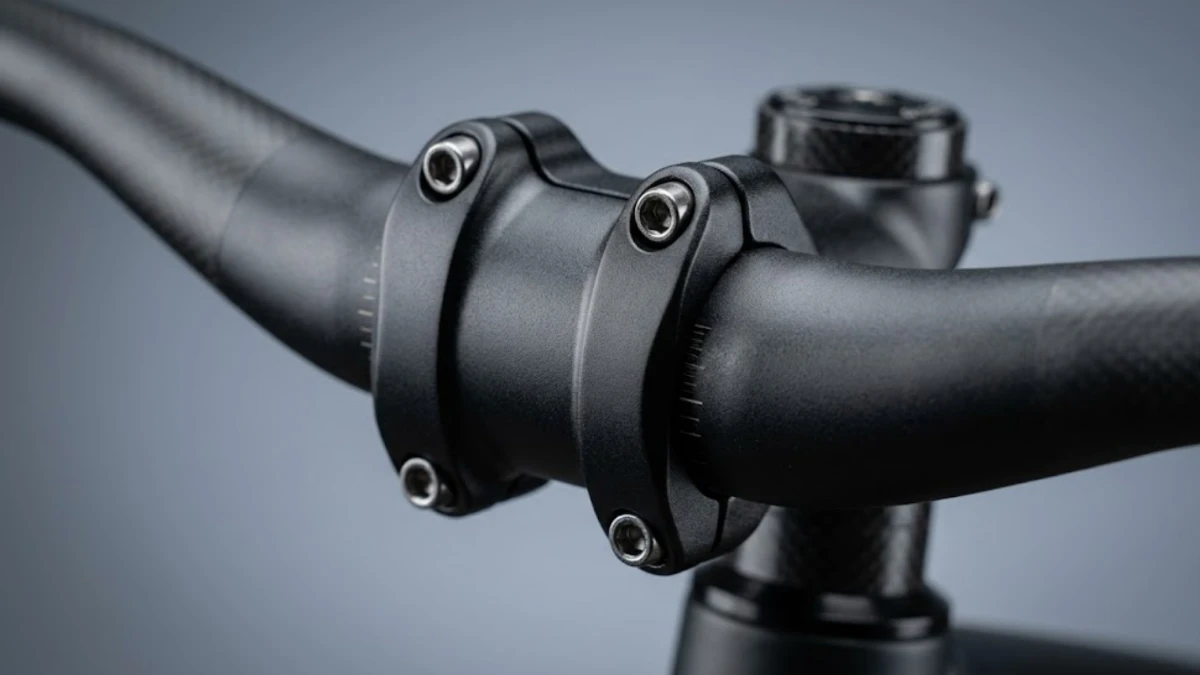
The stem clamps your handlebar on one end and your fork’s steerer tube on the other. That’s the whole job description, but the position it creates has outsized influence on handling, weight distribution, and comfort. Reach and head angle set the stage before you ever touch the stem—as I laid out in our geometry guide—and the stem fine-tunes the fit within that frame.
Change the length or angle of the stem, and you’re changing where your hands sit relative to the front axle. That single variable affects how quickly the bike turns in, how much weight loads the front tire, and how your back and shoulders feel after three hours in the saddle.
Stem Length: The Steering Lever
Stem length is measured center-to-center, from the steerer clamp to the bar clamp, in millimeters. Modern mountain bikes mostly run somewhere between 35mm and 70mm — noticeably shorter than road bike stems, which typically start around 80mm and stretch out further on bigger frames. Cross-country racers occasionally push toward 80mm, while downhill riders sometimes go shorter still.
A shorter stem shortens the lever arm between your hands and the steering axis. Small inputs turn into bigger direction changes, which is exactly why steep, technical terrain rewards a short stem — you get quick, decisive steering when you need it most. The tradeoff shows up on climbs: less weight over the front wheel means the bar can feel light or want to wander on steep pitches, and you’ll find yourself consciously weighting the front end to compensate.
A longer stem does the opposite. It stretches the lever arm, which slows the ring and settles the bike at speed— the same reason touring and time-trial bikes run long stems. On a trail bike, a longer stem also shifts more of your body weight forward, which helps traction on grinding climbs but can make the front end feel sluggish through tight, low-speed switchbacks. The trail figure itself doesn’t change with stem length — that’s set by head tube angle, fork rake, and wheel size — but the leverage you have over the steerer tube does, and that’s what you actually feel out on the bike.
I run a 40mm stem on my enduro bike and a 50mm on the bike I take on longer backcountry days. Neither is “correct” — they’re matched to what each bike is asked to do.
Stem Angle: Where Your Hands End Up Vertically
Angle, sometimes called rise, is the second variable. A stem with positive rise (commonly 6° to 17°) points up from the clamp and lifts the bar. A negative-angle stem points down and drops it. Many stems are reversible — flip the same stem over, and you get the opposite effect, which is a cheap way to test a different position before committing to new parts.
Positive rise puts you more upright, which takes pressure off your lower back and wrists on long days and is the more forgiving choice for riders still building confidence on technical terrain. Negative rise stretches you into a lower, more aggressive position that rewards aerodynamics and front-wheel traction on climbs, at the cost of comfort over a long ride.
Bar width and sweep change the equation too — a bar with more backsweep effectively shortens your reach to the grips regardless of what the stem length says on the box, which is worth knowing before you chase a fit problem with the wrong component.
Stem Material: Aluminum vs. Carbon
Most stems on the market are aluminum alloy, and for good reason. It’s tough enough to shrug off the kind of impacts a stem occasionally takes in a crash, inexpensive enough that swapping lengths to dial in fit doesn’t cost much, and the proven standard on everything from entry-level hardtails to World Cup downhill bikes for decades.
Carbon stems show up mostly on weight-conscious builds. The material shaves grams and takes the edge off high-frequency trail chatter, which some riders notice in their hands after a long, rough descent. It costs more, and it’s less forgiving of overtightened bolts or a hard crash — carbon doesn’t bend as a warning sign the way aluminum sometimes does; it just fails.
Whichever material you run, torque matters more than most riders treat it. Typical torque specs for stem pinch bolts run 4 to 6 Nm, and going past what’s stamped on the part—especially with carbon bars or a carbon stem—is one of the most common ways riders damage a component that was otherwise fine. A cheap torque wrench is a better investment than most stem upgrades.
Finding Your Setup
If you’re spending most of your time on steep, technical trails or bike park laps, a shorter stem — 35mm to 50mm — paired with neutral or slightly negative rise puts you in a stable, weight-back position that matches the terrain. It’s the setup I’d point most aggressive trail and enduro riders toward.
If cross-country or long backcountry days are the priority, a longer stem in the 60mm to 80mm range with a neutral or negative angle stretches you into a more efficient pedaling position. It keeps the front wheel weighted on sustained climbs. Your seatpost setup and saddle position work alongside this, so it’s worth dialing in the whole cockpit rather than one part in isolation.
For everything in between — general trail riding, mixed terrain, still building skills — a 50mm to 60mm stem with a slight positive rise is a sensible starting point. It’s not a compromise; it’s a setup that keeps the most options open while you figure out what you actually prefer.
Getting It Wrong Is Part of Getting It Right
I’ve put stems on bikes that turned out to be a bad match more than once. Too long, and the bike feels stretched and reluctant to change direction. Too short, and the front end gets nervous, especially standing on steep pitches. Neither mistake is expensive to fix — a stem swap is one of the cheapest ways to change how a bike rides, and it’s worth experimenting with before you assume the frame itself is wrong for you.
Grips round out that cockpit conversation once the stem, bar, and angle are sorted — small parts, but they’re what your hands actually feel every ride.